Introducing ourselves well vs. fixing ourselves and others

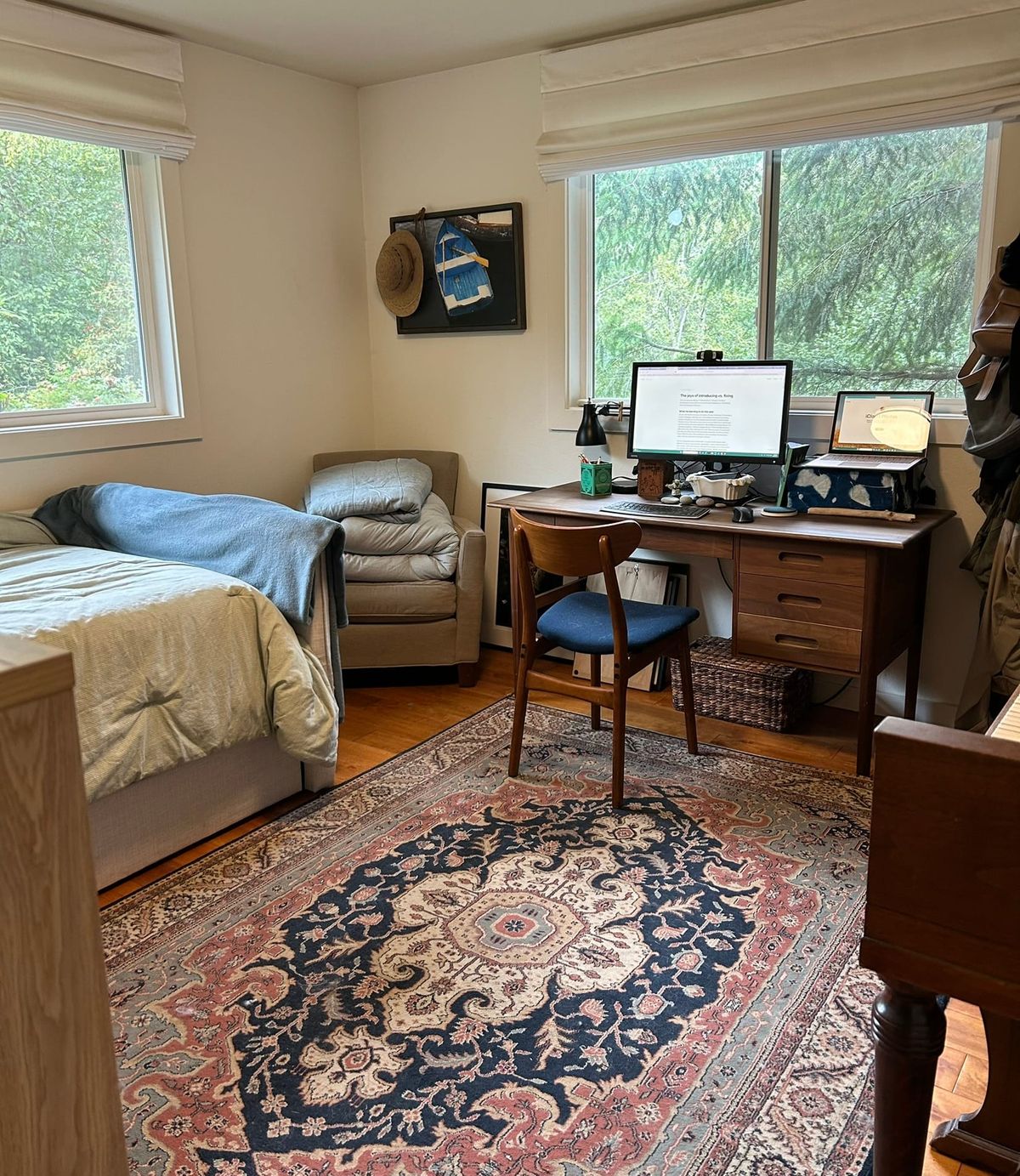
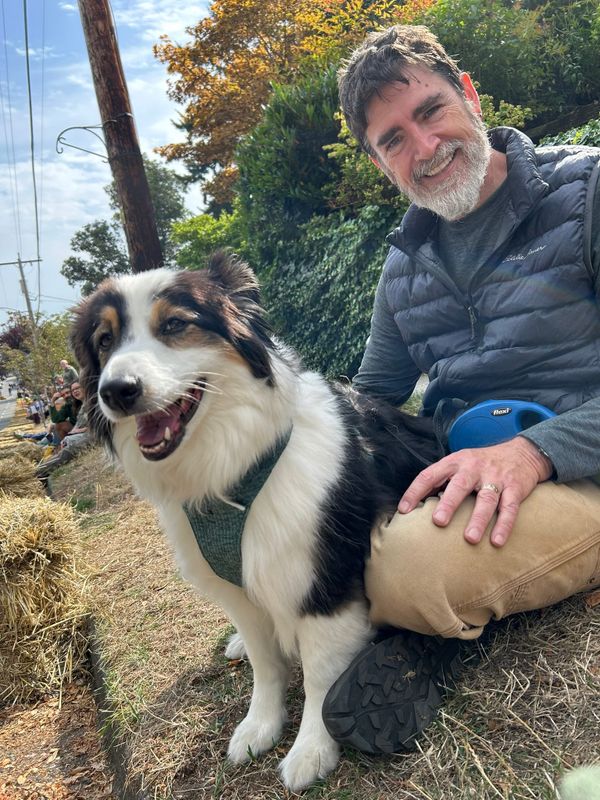
There are some new folks here. So I thought I'd combine a sort of Wonders Never Cease and Lori introduction–we're always changing here—with sharing a few simple things that I'm personally unlearning/learning/being/doing this fall. Welcome friends. This is us...
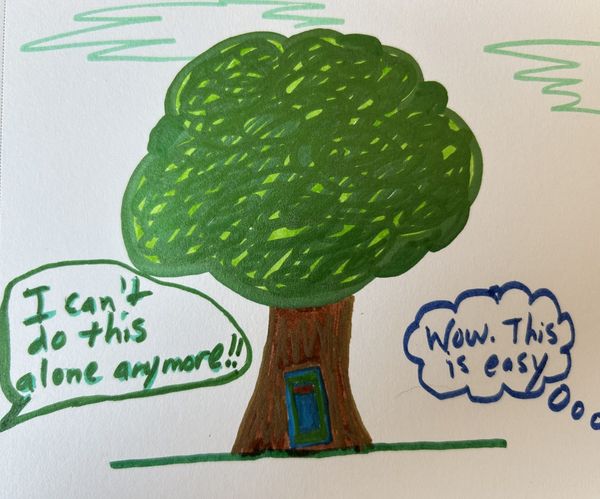
Hello! What are you holding alone that we could be holding together?
Standard in-person greetings flat out don't work for me anymore. There's too much to hold to respond pleasantly or with a standard "I'm fine." (a lie for me) when someone says "How are you?" I refuse to start with a lie now, which separates out who really wants to talk to me and who really doesn't. I originally switched my in-person greeting to "How are you today?" or "How's it going on this rainy Tuesday?" for example, grounding in the day, in the now. That works sometimes. But I'm liking this new idea better, because I am sick and tired—literally always sick and tired now, thanks long Covid, crumbling violence-centered empire, and to holding so much alone.
What are you holding alone that we could be holding together? Love it! I may be wending in writing but I now suspect that's often so I can be more focused, present, and succinct in person. ;-) Here's what I am holding alone at the moment...
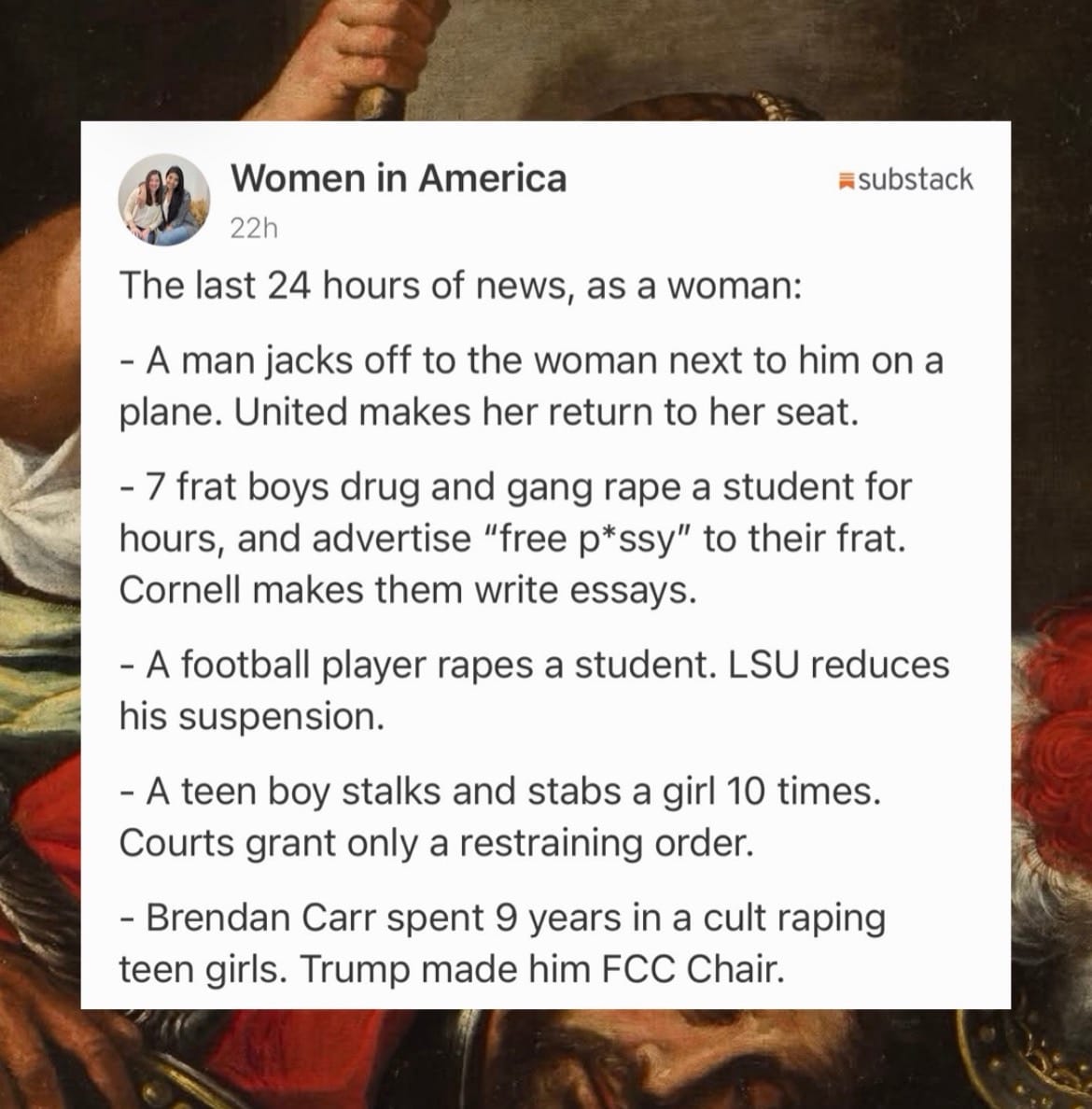
If you want to hold this together, let me know.
Hello! This is who I am
If you're new here, you might read "Wonders never cease" and mistakenly assume that I (Lori the Writer) am an always positive, always-full-of-light kind of being. I'm not. I was raised to be, but I rebelled. I rebelled big time:
- In middle school when our Christian school allowed a visiting speaker to tell us that men were closer to God than women and women should always submit to husbands as leaders (the abusive idiots!). I debated the speaker and eventually walked out of the hall, refusing to listen to one more word of his nonsense and disgusted by the cowardice of both adults and peers that I knew agreed with me.
- In high school when it came clear that "good" adults running things often preferred and even rewarded lying over hard truth telling (the cowards! the hypocrites!). At graduation, I left the state and I left the church simultaneously. Surely there had to be far braver—including spiritually braver—adults out there somewhere.
- In my mid 30s because I was tired of listening to the lie that money mattered most and tired of the isolated, money-centered adult I'd allowed myself to become (what was I thinking?!). Centering community is what we're here to do/be/live. Fuck off capitalism, you fear-generating, exhaustion-creating, dream-stealing, early-death-bringing old beast.
- In my 40s when our extended family shattered around the loss of matriarchs and Mom's Alzheimer's and my Dad's failing health too (this time I rebelled from what I'd been raised to do to protect those who most needed my protection and let go of those who couldn't see who we were now, no matter what we tried or said or did—sucking energy that we simply did not have left to give). I rebelled by sharing our pain visibly and out loud– breaking with family tradition– and by letting go of some dearly beloved people before we reached feeling contempt for each other: a relationship-ruining emotion that's hard to come back from. And by writing The Grace of Dragons and Unshaken Wonder: Becoming Playful Elders Together.
- In my 50s, when my civilian friends and their children and grandparents abroad were fighting for their lives daily against a powerful, brutal, high-tech military–losing family, friends, co-workers, all respite and sanctuary, and land, daily– and nobody I knew in person would even speak about the genocide (I learned that I will stand with the suffering and the oppressed. I will speak out against intentional abuse and violence. And that I can accept that I will pay heavy costs for doing so, including receiving a small part of that abuse and violence myself and finding myself parting ways with people who cannot handle who I am and what I have to say). This time, after I got my loneliness and depression harnessed, I rebelled by working with Palestinian artisans and friends of Handmade Palestine, selling their wares and our co-created wares via our beloved Ritual Mischief.
I don't experience myself as a rebel most days. And. I am part of a global rebellion against systemic corruption and violence, because I'm willing to become more and more real—this is the real me/us—by the day, month, year. I'm willing to weed all stale corruption and violence out of myself as I demand it of others. I have to. Because to live a life centered on wonder—to still be me—all emotions must be heard, felt, stayed with for a while, shared, and at least respected, if not outright welcomed at first. So I haven't been an "always positive" person for somewhere between 42 and 20 years now, depending on who you ask.
Because I love to write, I don't need to ask people take my word for it about who I am. Actions matter most: even for writers. My last big book, Unshaken Wonder (2018), received rave reviews. And two people absolutely hated it. One neighbor did me the courtesy of telling me so in person. One stranger did so online. Both hated it for the same reason: because I welcome all emotions within my communities and I share all emotions out loud via writing. My only 2-star online review said:
"I read books, especially those on playfulness and wonder, to escape and be uplifted from the BS politics and negativity out there. This book started off that way and I had high hopes, but then she refers to our president as the "f#$&ing mad man for president" and it completely turned me off. Why make political statements in a self-help, inspirational book that disrespect the office of the president and alienate and disrespect half her readers? It just adds to the derision and negativity rather than promoting play and wonder." - Sharon Niman
Oh honey, what your life must have been at that moment: to give your precious time and energy and go out of your way to hurt people already so clearly in pain.
At 30, a review like this would have crushed me for a few days. Luckily, I was 48. By 48, it was a badge of honor to be disliked by a white woman for sharing hard truths from my community. Street cred. My partner thought these two reviews—one from a stranger and one from a neighbor—made me give up writing and turn to full-time herbalism for a few years. And they did, but not for the reason he thinks. I was proud of these reviews. I read this review to every writer friend who would listen and commiserate with me—like Kid Me would have shared a particularly strange and magical stone I found on the beach with another strange-objects-loving kid. I'd received dozens of glowing, loving, even teary-eyed reviews, and this was the one that made me laugh out loud with glee. For one thing, she didn't say that she didn't like my writing. She just didn't like me being me, and us being us, so openly. We were too out loud with our pain for her. This review was written proof that I'd broken with the stifling, too-tight rules about what wonder and playfulness are, and which other emotions they can play with, and about who and what we can be. I'd visibly broken with who and what me and my people once believed we had to be– always pleasant to others and always pleasing or quiet or silent about our own pain– and I survived. We thrived.
My partner was right too, though. I did move more deeply into herbalism after this, in part particularly for community members who couldn't hold my writing, my communities' emotions, or me. One of those who didn't like my book was our next door neighbor. A person who believed that we must respect the office of the president no matter who sits in the position and, apparently, literally no matter what he do to others. I believe it's important to have something tangible to offer your physically local community for times when the shit really hits the fan, as my Dad likes to say. Deepening my relationship to the land, the plants here, to neighbors, local land owners where we forage, and the local and global herbalist community– and improving my green-medicine making skills—was my way of doing that.
Thanks to dear Sharon—the woman online who doesn't like my community and me being ourselves out loud or "disrespecting" the office of the president simply by describing how we're feeling—you can really believe me when I say that I'm not for everyone. That I'm not an "Always keep your chin up" and "Always look on the bright side" and "If you don't have anything nice to say, then don't say anything at all" kind of being, like my dear, remarkably generous and loving Mom was for most of her life. She was so comforting, present, and lovely before, and through, Alzheimer's disease. And. She wasn't entirely free to be herself until she got Alzheimer's disease. I loved her dearly before Alzheimer's, and I loved her more each year for 23 years after that: through good years, and bad days and weeks, and loss after loss, until she passed last year at 78. She was the way she was because she had to be, within her community and culture. Alzheimer's freed her to be exactly who she felt like being, every moment, of every day. We received that as a gift here. It was glorious, so warm and intimate most days, and sometimes embarrassing, sometimes painful and weep-inducing, and always a learning experience. Even on the days it hurt like hell.
So, I come from strong, hard-won, "We're going to be ok, eventually." and "Let's see if the neighbors need anything." stock. But the always-positive parts and the holding-hard-things-alone-and-not-together parts just don't work for me. Or for most others, I've learned.
Hello! This is who we are here, together
We can handle the truth—all lived truths—experienced by people here. We may have to sing or weep or pause or scream or breathe deeply or laugh or disappear for a while to get there sometimes, but we get there. Together. This is who we are here. Welcome to us. Welcome to wonders never cease.
We center on wonder and on the wonder-adjacent
Wonder lives at my (Lori's) center. Sometimes easily. Sometimes stubbornly. If you're here—if you found this place and choose to stay or return to this place now and then—this is true, at least a little bit, of you as well. Your center may also be wonder-adjacent. For example, you may center on curiosity, play and playfulness, deep fun, humility, mindfulness, contemplation, wandering, friendship, community building, whimsy, adventure, full presence, vulnerability, children, elders, animals, working with your hands, learning and unlearning, disability, teaching/education, neighborhoods, working-class solidarity, caregiving, imagination, health, rest, gratitude, questioning, creativity, freedom, reflection, joy, beauty, faith, surprise, delight, sanctuary, trickster ways, land, waterways, justice, plants, forests, nature, herbalism, food sovereignty, medicine sovereignty, art making, crafting, cooking/baking, rebelling, pleasure, grief, safety, ending violence, gaming, tearing down stale oppressive systems, spreading joy, Land Back, evolving as a species, women's wellness, or another wonder-adjacent center that I've momentarily forgotten.
Please feel free to add to this always-growing list of the wonder adjacent, dear friends of wonders never cease. Every word in the list above sits at the center of a friend of mine/ours here and yours.
Land is kin, friend, teacher, ancestor here
The place we are is family. The soil. The woods. The sky. The park. The field. The birds. The beach. The grass. The music wafting out a neighbor's window or from down the street. The city. The hood. When we are just being—not doing, doing, doing—this comes clear. And it stays clear.
We learn to listen here. Get to know the voice of the whole place. We learn and unlearn together. We work together. We respect all living beings here. And we stand with all beings protecting the land, the field, the forest, the ocean, the neighborhood, the air, the water, the animals—the whole place—as kin, friend, teacher, or ancestor. We listen gratefully and carefully to those who've been on the land the longest. Lori tends to listen most closely to those who listen and speak daily with forests, fields, and trees and to those denied and wanting access to humanity's shared green kin. And to those who make and share good food. ;-)
There are no such thing as bad emotions here
We're present exactly as we are, feeling everything we're feeling. No such thing as a bad emotion here. All show up to teach, advise, help us move through the world. And. It's clear that we can get tangled and stuck in emotions when we try to hold and do too much, alone, for too long, or when we make assumptions and leap to story-invention/re-invention and blame or name calling without communicating first or introducing ourselves often and well, or when we're feeling exhausted, stretched thin, grieving, unsupported, or ill.
We even mix emotions here that don't seem to be easy partners elsewhere—such as playfulness, laughter, deep grief, and weeping. That's great here. Mix away. I love laughing and weeping together. Love giggling into rage and screaming and eventually returning to giggling again, having learned what rage and screaming demanded we see, feel, notice.
We all define and feel safe for ourselves. And we wish for each other that we each do whatever we need to do to feel safe.
Wonder might be my own center, and safe is the foundation upon which beloved community rests. Safe looks different from person to person and place to place, but it feels remarkably similar. Those long accustomed to feeling safe often know the least about it. Feeling safe doesn't mean there's no risk, no discomfort, or no conflict. Risk, discomfort, and conflict teach us more about what safety means to each of us. Safe is an internal knowing that you can be exactly how your body/self most wants to be in this moment. For some, that body/self includes whole families, communities, friend circles, organizations, genders (and other enforced categories), everyone in the room, places, or all living beings. We feel safe and unsafe together, aware that feeling safe when alone is a result of that community, that group, and that together-we're-safe way of being. I watch a lot of men online—raised to think of themselves as individuals first and foremost—struggle to understand this. Struggle to understand why so many women don't feel physically safe when other women are raped or when we feel physically sick– to the point of vomiting– and outraged when other people's children are abused, harmed, tortured, killed. Far too many men still wonder why we keep choosing to be who we are—connected, collective selves—even when it hurts. Far too many men still ask us not to be those selves. Our real selves.
Here we share what makes us feel safe when we want to share. And we share only as we feel safe to do so. Share when you need to share. And share with someone else, not me, if you don't feel safe with me today or when I'm not available. I was raised– and then cultivated more ability with time– to offer spaciousness, grace, and welcome to everyone who crossed our threshold, whether in person or online. But I grew up feeling safe, and feeling well-held by my community and my family, almost all the time. So, in adulthood I most needed to learn that I could offer the whole world to someone and if that someone doesn't feel safe, or safe with me, or safe to approach me, or safe in the space, then they'll receive little to nothing that is offered there. And I had to learn that you feeling safe is ultimately not up to me. Not about me. Not on me to make happen. Feeling safe comes from within. Opening the door, from within, that's on each of us. And on the place itself—the sky, the soil, the trees—the vast place holding all of us.
Here, we want others to feel safe, and we get that that takes time, and we stand/sit/walk beside each other to feel safer together, and we know that we don't make other people feel safe. We can offer presence, solidarity, food, tea, shelter, sanctuary, joy, wonder, witness, and wishes/spells/prayers/organization. For example, we wish for you to feel safe wherever you go and whatever you do and whoever you're with. We wish for you to trust your body and to trust when your body feels unsafe and to move when you need to move. We wish to learn, remember, and re-learn-when-wiser the differences between feeling uncomfortable (necessary conversations and other actions for changing and growing together) and feeling unsafe (necessary for individual survival). We wish you held by your communities. Held by your family and/or your found-family. We wish to be part of that community, and we're ok (or will be eventually if we love you) if we're not. Be safe: that's the priority if you struggle with feeling safe here, with me, or anywhere. Even if that means calling us on something, telling me off, hating my wonder-centered books, taking a break from me, or never seeing or speaking to me again. Rebel. I'd rather have you feeling safe with and held by others than have you feeling unsafe with me. Luckily, everyone with the ability to deeply empathize or who feels themselves empathic, sensitive, harmed or wounded and recovering feels similarly, I've learned. What a gift that was to learn. I offer it to you. You are never alone.
Unavailability is a super power as much as availability is here
Here's the thing about those centered on wonder... we're not for everybody and we're not available every day even for those we love. I disappear for days and weeks at a time. I don't overcommit anymore, so that the time I am present goes to those I love and they feel they have my undivided attention, although I'm re-learning again what "overcommit" means now with long Covid chronic fatigue. The definition changes when you can do just three things, not 30 things, in a day.
And if we don't have the energy to be with someone right now, we say that we don't have the energy today/this week or month or year. Or you'll hear from us less or we just won't show up to some or all of the gatherings. I aspire not to lie to myself and others anymore: which is a built-in requirement of the "always stay positive" world. The living aren't always anything. Here we aspire to tell you that we don't have the energy for this/you/us right now before we get hurt and angry. That doesn't always happen. I'm still shedding the self taught to keep the peace at all costs to my individual self. I am still shedding my available-for-all, always, self, that my culture and family taught me I had to be. I'm shedding her now not for some moral, ethical, or intellectual reason, but because I have to. Available-For-Everyone Me was literally killing Wonder-Centered Me. Healthy Me. As it turns out, Available-For-Everyone-Me is not me at all. She's systemic abuse. She's an impossibility. She's not even a former self who I have to let go of. She's a lie. A delusion. She does not exist here, now, or anywhere for me now, except in memory.
Self-healing is happening at many levels
My community and I believe that we are self-healing: both within relationships– as our larger selves together– and also that our bodies have great capacity for self healing when we are fully seen and fully heard as who we really are right now and what we really need. No matter what that is. I may share plants, people, books, places, and other beings I'm in relationship with—deepening or broadening connections–but I don't fix other people. I am not a fixer. Not a healer. I don't have to be, because here we are self healers. Our relationships, our communities, and our bodies do that.
Julie, one of my beloved herbalist teachers, taught us that a green witch is just a woman who can heal herself. Over time I learned that that means that they/we have the close community—in the living green world and among humans too—needed to feel true belonging no matter where we move on this beautiful planet or what we're doing/being/becoming. We naturally spread that sense of belonging when we have it to spare, and we intuitively search for and receive help to open, remember, and return to our sense of belonging when we've lost it and need it. We heal us. I don't heal you.
We don't ask things of others that we ourselves don't also practice or aren't willing to receive in turn
If you expect others to be a certain way but you regularly break that expectation yourself (whatever it happens to be), then you can still be accepted and loved here, yes. And, your access will be limited, because energy doesn't increase when we're together: it diminishes. At the moment I have long Covid chronic fatigue: so if you drain my energy by not practicing what you preach then you definitely cannot be in my fully-safe-for-all-present inner circle. My energy is shockingly, stunningly limited right now. Some days, I can barely get off the couch. Energy matters so much right now. To my own well being and to the well being of our wee corner of the world, if not to the whole world, now.
Lori's big ask: don't use me as an emotional dumping ground for feelings you don't want to hold anymore
I think we should all get one big ask within our communities. This is mine. I want to know you well, and, do not use me as an emotional dumping ground. As an empath raised in a loving, listening, fun, collective-self kind of family and community (where we felt "we" as much as "I" most days and anyone among us was allowed to say "we" and speak for the group, knowing we'd sometimes need forgiveness or adjustment and certain that we'd receive them), I've learned in adulthood that I have to be careful about who I spend a lot of time with. Those of us raised as– and wanting to be– collective selves can be more porous, letting far more in, and we can be easily harmed and taken advantage of by those looking for a safe place to dump their pain and leave it. I don't mean simply sharing your pain. I don't mean simply wishing to be seen and heard and witnessed so that you're better able to hold your own pain and figure out what to do next. That's all wonderful. Love that! I'm talking about people looking for a place to DUMP their pain out and leave it with others.
So, when you're with me, feel free to share whatever you want to share, and know that you are also expected to hold all those emotions—they're your emotions, your clues, your lessons, your stories—and take them all with you when you leave. I may feel some of them with you, yes, and I won't hold them for you. With Mom's Alzheimer's before and with my own long Covid right now, I literally can't, even if I wanted to. Which I don't. Unless you're my closest inner circle people: we hold things for each other some days, to give each other a day to breathe now and then. But this is my primary ask of others now. Which is a lot for many adults, I know. Sadly for some, I've hit the age that I don't apologize for needing what I need anymore or expect apologies from others for what they need. I do my best not to ask for things I don't really need. And. I need this. Speaking of that...
Clear, unforgettable boundaries
We wish this for all of us: listen and respect when we demonstrate or say that we can't do something or when we say that we've had enough. Younger Me allowed some people dozens, even hundreds, of chances to ignore what I'd asked for and to step all over my boundaries, my feelings, and me. Another very good example of why "always stay positive" doesn't work. That resulted in me being so harmed over time that I eventually had to cut people from my life entirely. Today Me/Us is different. I/we will call people on that boundary crossing– I sometimes call people on even approaching my boundaries– the very first time. Visibly. Clearly. Possibly, even painfully. Like our beloved hawthorn trees and wild roses with long, sharp, plentiful thorns, causing other beings pain is not my intention. Clear, obvious, undeniable, unforgettable visibility of my/our boundaries here is my intention. We aspire to celebrate boundaries: both boundary setting, as needed, and tearing down stale old boundaries when they're not needed anymore. The celebration part is a work in progress for me. Most days it happens quietly and within.
Like wild rose brambles and the hawthorn tree, my thorns don't just protect me. They protect everyone present who needs a place to rest, a place to live for a while or hide for a moment, or a place to just be. And they teach those moving too fast or disrespectfully through the place we dearly love that there are real consequences for disrespectful, and too fast, ways of being.
Disappearing is every bit as much a superpower as staying present is
As a kid, to avoid overwhelm I often disappeared on my own for a while: from a few minutes or hours to most of the day. I realized recently that some of my fondest childhood memories are actually of bad days: days that I allowed myself to fully escape into nature with a notebook, a pen or pencil (yes, I'm that old), sometimes a snack, and nothing else. Just listening. Just watching. Just wondering. Just breathing and being. Just writing and sketching and creating and taking in the inherent ok-ness of a whole place that busy humans often miss.
As an adult, I spent decades trying to fix this about myself—somewhere along the way I decided to believe the grown-up lie that staying present is always better. But I'm done with that. I'm not fixing this. I LIKE this. I like disappearing. I like this about me and my world.
This is me. Sometimes I disappear into the woods, into the writing, into the wilderness, into the sky, into the city, and even into conversations with kind or struggling strangers in person and online. And this is what disappearing on my own for a while means to me...
When I disappear for a while, it is to stop short of being so overwhelmed or exhausted that I end up saying things I don't mean or risk feeling contempt for myself or for you. Contempt erodes. Contempt is a relationship-ruining feeling: an occasionally necessary feeling that allows only for loving one of us, but not both of us. Processing takes me a long time—hours, days, weeks, months, years—because I feel and think from a lot of different perspectives before I speak, not just from one perspective. I love to process. And I love relationships and people so much that I will disappears for years, if necessary, to avoid settling for contempt.
When I disappear, it is always to preserve relationship. I repeat: I disappear to preserve relationship. To return myself to my wonder-centered self, so that I can return as the me I most love again. The me who has the most love to offer.
Once in a long while– with a chronic boundary ignorer/crosser/pain and cruelty spreader– I do leave for good to save myself and everyone else I love and encounter in this life. But that's super rare. Most people prefer to listen, grow, play, and learn together.
I recommend that you don't take it personally when I disappear for a while. But you do you. That's ultimately what I want for you—you getting to be you—whether I'm fully present or have disappeared for a while to breathe and return as me again.
What we're learning to do/be/do/be/do this year
If you're new here, right now I (Lori) am learning to be part of changing, improving, new, and crumbling old systems by just letting people be who they are in the moment. Not systems, governments, or organizations—these all need change and collective action here–but people. People get to be who they are. Yep, I'm learning, again, to just let people be. Myself included. Exactly as we are. In a similar way to how easy it is to allow trees to just be trees and cats to just be cats and how we can all somehow magically make peace with all differences among trees and cats. I'm learning let people be... Whatever words or language or unspoken language they use. Whatever beliefs they have. What they do for a living. What they do to relax. Who they pray to, if anyone, and how they pray, if they do at all. Where and how they spend their time. Who they prioritize. How they create community. How they run their homes. Where they shop. Where and however they help others. How they harm themselves and others. How they play and how they grieve. How right or wrong they seem to me that day. Whatever lies they need to tell themselves to live today. Whatever truths they need to speak. How they fight, disappear, walk away. All of it.
I'm doing this (making it happen) and being this (letting this happen) again, now, because it's remarkably useful and freeing for where I'm at. My deepening understanding of wonder—and what it takes to be wonder-centered—now requires this of me. And for me at least, its something I have to re-learn as I grow. It's clear that we cannot fix stale, cruel, heartless, and crumbling old human-created systems, organizations, and governments alone. Or from on high. Or without the full picture: which we humans never get no matter how much money or power we amass. We need a lot of people, and we need a lot of help, to make really big changes. This is a time of really big changes. We need so much help. Working class help. Indigenous help. Disagreeing help. Mistake-making help. Struggling help. Generous help. Angry help. Silly help. Narrow-minded help. Foolish help. Apologizing help. Fun help. Diverse help. Exhausted help. Black help. White help. Brown help. Gray help. Imperfectly perfect, human, help. Help from the green and the blue worlds too.
I'm not saying that you need to learn to do this this year. I'm not saying that this is the best thing to be learning right now or the only thing to be or do this year. Ick. You may need to learn the opposite or something very different this year: how to call people on their BS, how to survive on your own or thrive together, how to share your story, or that it's perfectly ok to judge, ok to leave, ok to set hard boundaries, ok to protect your precious-to-all-of-us self, life, family, or land. Ok to rebel. Ok to be alone. This is just what I'm re-learning to do right now. Actually, this is what I/we-in-this-house need to learn right now. Daniel is learning this again this year as well, thanks to a 2025-year-ending activity I learned from That Glasgow Witch. After 12 nights of burning 12 self-created statements of fact/hoped-for facts about the coming year, on January 1st this year he opened the 13th one and it said "Accept people exactly where they are." as his task for 2026. He accepted that task. Magically—or just "of course" if you experience yourself as part of the community or mycelium network–I've been learning to do the exact same thing, along side him, this year. It's fun to have a learning/unlearning buddy, isn't it? Especially when the lessons aren't easy. Thanks D.